Brisbane Road match day rubbish removal case study Leyton
Match day at Brisbane Road is brilliant for Leyton, but the clean-up side of it can be a different story. Cups, wrappers, food trays, bottles, fly-tipped odds and ends, and the usual gust of rubbish that seems to appear the second crowds move on. This Brisbane Road match day rubbish removal case study Leyton looks at how a busy stadium area can be cleared quickly, safely, and without turning the local streets into a mess the next morning.
Whether you manage a venue, support a facilities team, or simply want to understand how event waste is handled in a tight urban setting, the basics are more practical than glamorous. Good rubbish removal is about timing, access, sorting, and getting the right kit in the right place. Sounds simple. It rarely is. In a place like Leyton, where footfall spikes hard on match day and nearby roads can feel instantly narrower, the detail matters.
This guide explains what the process typically involves, why it matters, what tends to go wrong, and which waste removal methods make the most sense for a stadium-adjacent clean-up. It also gives a grounded example, a useful checklist, and a few small expert tips that can save a lot of hassle. Let's face it, nobody wants to be dealing with overflowing bags and blocked access while the evening crowd is still drifting out.
Table of Contents
- Why Brisbane Road match day rubbish removal case study Leyton Matters
- How Brisbane Road match day rubbish removal case study Leyton Works
- Key Benefits and Practical Advantages
- Who This Is For and When It Makes Sense
- Step-by-Step Guidance
- Expert Tips for Better Results
- Common Mistakes to Avoid
- Tools, Resources and Recommendations
- Law, Compliance, Standards, or Best Practice
- Options, Methods, or Comparison Table
- Case Study or Real-World Example
- Practical Checklist
- Conclusion
- Frequently Asked Questions
Why Brisbane Road match day rubbish removal case study Leyton Matters
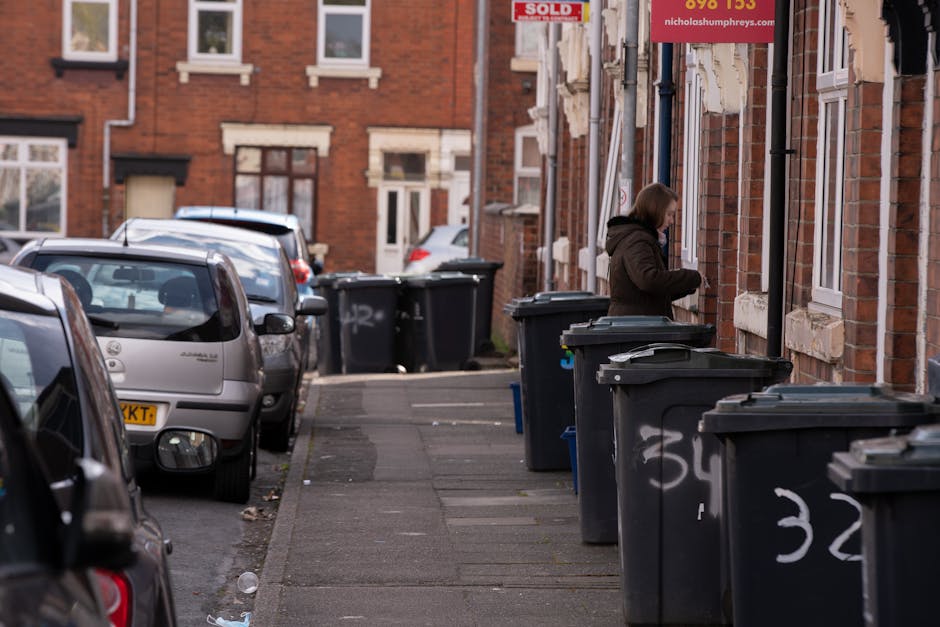
Brisbane Road match day rubbish removal matters because the waste problem is not just "a lot of litter". It is a timing problem, a safety problem, a public-facing image problem, and sometimes a traffic problem too. When several thousand people are leaving a venue at once, waste accumulates fast around entrances, paving edges, side streets, loading points, and the nearest busier routes.
In a dense urban area like Leyton, rubbish left for too long can become compacted, wet, windy, and awkward to move. Food waste starts to smell. Loose plastics blow into hedges or drains. Cardboard gets soggy and heavier than it looks. And if a clean-up crew arrives too late, they spend half their time chasing the spill rather than clearing it efficiently. That is one of those ugly little truths of event waste management.
The reason a case study approach helps is simple: it turns a broad service into something more concrete. Instead of saying "we remove waste", you see the operational thinking behind it. How many staff were needed? Which collection method was best? Was a skip sensible, or would a wait-and-load approach be quicker? Did the area need a fast turnaround before the next day's activity? Those are the decisions that decide whether the clean-up feels seamless or chaotic.
There is also a local reputation angle. Stadium areas are visible. People notice if waste is under control. They also notice if it is not. A good removal plan helps the venue, nearby businesses, residents, and the local streets all breathe a little easier after the final whistle.
How Brisbane Road match day rubbish removal case study Leyton Works
Match day rubbish removal around Brisbane Road usually starts before the crowd arrives, not after it leaves. That is the part people miss. The clean-up plan should be built around expected footfall, vendor activity, weather, and access routes. If you wait until bins are already full and the pavement is cluttered, you are already behind.
In practice, the process often looks like this:
- Survey the key waste points around the stadium approach routes, service areas, and any temporary fan zones.
- Estimate the type of waste likely to appear, such as packaging, food waste, mixed litter, cardboard, and drinks containers.
- Choose the right removal method for the access available and the speed needed.
- Set collection points that do not block pedestrian flow or emergency access.
- Clear waste in phases rather than leaving it all until the end.
- Sort what can be recycled and make sure the rest is moved safely and legally.
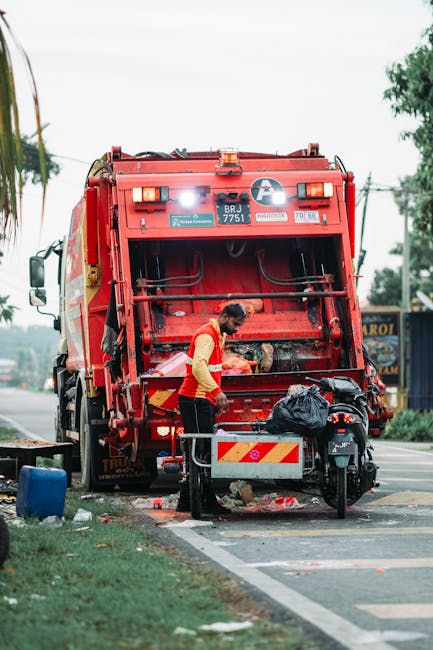
For some match day setups, a traditional skip is fine, especially if there is room and the waste can be loaded without interrupting pedestrian traffic. In tighter spots, a wait and load skip hire arrangement can be much better because the vehicle arrives, the waste is loaded quickly, and the skip leaves again without sitting on the street. That can make a real difference when access is limited.
For mixed venue waste, a broader rubbish removal service may be more practical than trying to manage multiple ad hoc collections. If the waste volume is mostly light and fast-moving, the right system is the one that keeps the route clear and the public moving. Simple as that.
Occasionally, match day clean-up needs a bit more flexibility. If waste appears suddenly after an event or there is a same-day requirement due to weather, a service like same day skip hire can help restore order quickly. That sort of responsiveness is useful when you have a narrow window between one crowd leaving and the next activity beginning.
Key Benefits and Practical Advantages
A well-run match day rubbish removal plan is not just about tidiness. It supports operations, safety, and the overall visitor experience. You will notice the difference most clearly when the venue has a tight turnover or when surrounding streets are already busy with residents and traffic.
- Cleaner public spaces: The most obvious benefit, but also the one people remember. Clean pathways reduce complaints and keep the area looking cared for.
- Better crowd flow: If waste is removed before it piles up, people can move without tripping over bags or bins.
- Less slip and trip risk: Spilled drinks, loose packaging, and shredded paper all become hazards if left in circulation routes.
- Improved recycling outcomes: Sorting litter and venue waste properly can support better recovery of cardboard, plastic, and other recyclables.
- Reduced pressure on staff: Front-of-house teams should not be improvising waste collection while also managing visitors. That is a bad trade-off.
- Better neighbour relations: Nearby homes and businesses are far less likely to complain if the streets are cleared quickly.
There is also a financial angle, though nobody loves talking about it too much. Efficient removal tends to be cheaper than reactive removal because it reduces repeated callouts, emergency handling, and avoidable overtime. A clean, scheduled system is nearly always easier on the budget than a messy one with last-minute fixes. Funny how that works.
If the waste profile includes more than just light litter, it can help to compare options early. For example, a venue with limited access may benefit from skip hire, while a site with a fast clear-out window might find grab hire services more efficient for bulky mixed material. Matching method to site conditions is where the real value sits.
Who This Is For and When It Makes Sense
This kind of rubbish removal planning is useful for venue operators, event managers, facilities teams, local contractors, and anyone responsible for stadium-adjacent waste on busy days. It also makes sense for temporary event suppliers, cleaning contractors, and landlords managing spaces that get unusually heavy footfall during fixtures.
It makes particular sense when:
- there is a known crowd surge before and after a match;
- the site has narrow access or limited service space;
- waste has to be cleared without disturbing public movement;
- the venue needs a fast turnaround for the next day;
- the waste mix includes recyclable material, bulky items, or awkward packaging;
- you want to avoid waste sitting overnight where it can attract vermin or complaints.
For some users, the challenge is not the rubbish itself but the logistics. Where do the bags go while the crowd is still in motion? Who clears the service lane? What happens if a collection vehicle cannot stop where planned? These are the kinds of practical issues that separate a decent plan from a last-minute scramble.
And yes, sometimes a simple man and van arrangement is enough for a smaller clean-up. For larger or more dispersed match day waste, it usually is not. The key is to be honest about the volume and not pretend a small van can swallow a stadium's worth of post-match debris. It can't, not really.
Step-by-Step Guidance
Here is a clear way to approach match day rubbish removal around Brisbane Road without overcomplicating it.
- Map the waste zones. Start with entry points, exit routes, vending areas, queuing spaces, smoking areas, and any known litter hotspots.
- Forecast the waste type. Food packaging, drinks containers, cardboard, mixed litter, and occasional bulky waste each need a different handling approach.
- Check access before booking. Measure the usable space, note any height restrictions, and think about where a vehicle can safely stop.
- Choose the collection method. A skip, wait and load service, grab hire, or direct rubbish removal may suit different parts of the same event.
- Schedule the removal window. Build the plan around crowd movement, service traffic, and local road conditions.
- Separate recyclables where possible. Even basic pre-sorting helps reduce mixed waste and improve recovery.
- Clear in stages. Do not wait until everything is overflowing. A few smaller clears are often easier than one giant one.
- Do a final sweep. Check corners, kerbs, grates, and under temporary barriers. Waste likes to hide in the awkward bits.
If you are managing heavier material as well as post-match litter, you may need a more structured waste approach. For example, a venue refurbishment or pitch-side service change could involve builders skip hire or even builders waste removal alongside event clean-up. That is where planning pays off, because one size rarely fits all.
Expert Tips for Better Results
From an operational point of view, the best match day clean-ups are usually the boring ones. No drama, no confusion, no overflowing bags at the exact moment the crowd appears. To get there, a few habits help a lot.
Tip 1: Put waste control where the flow is strongest. If bins are hidden, people simply walk past them. Put them where the crowd naturally pauses.
Tip 2: Plan for wet weather. Rain turns cardboard and mixed paper waste into a heavier, messier job. London weather being what it is, this matters more than people like to admit.
Tip 3: Use the right container for the right waste. A lockable or enclosed option can be useful if waste is exposed or if you need to prevent wind scatter. An enclosed and lockable skip hire setup can be a smart choice in public-facing areas.
Tip 4: Keep one person focused on the waste route, not just the bins. That small role can stop a lot of problems before they get expensive.
Tip 5: Take pictures before and after. Not for show, just for accountability and planning next time. Also useful when somebody insists it "wasn't that bad".
Another good rule: if the waste is mostly light but the access is awkward, think about wait and load skip hire. If the waste is bulky and scattered, a more versatile collection method may be better. If the waste includes confidential paper from hospitality or admin areas, confidential shredding should be handled separately rather than dumped into general waste. Straightforward enough, but easy to miss in a rush.
Common Mistakes to Avoid
Most match day waste problems come from predictable errors. The good news is they are avoidable. The bad news is people still repeat them.
- Leaving the plan too late: If you are still deciding collection methods on match day morning, you are already under pressure.
- Underestimating volume: A crowd generates more waste than most people expect, especially around food and drink outlets.
- Ignoring access restrictions: A vehicle that cannot stop safely or turn easily will slow the whole clean-up down.
- Mixing waste streams without thinking: General litter, recyclable cardboard, food waste, and hazardous items should not all be treated the same way.
- Forgetting about public safety: Bags left in walkways create trip hazards and can obstruct emergency access.
- Assuming one method works for everything: Sometimes it does not. A combined approach is often better.
A subtle but common mistake is treating the final clean-up as the whole job. It is not. If you skip the pre-event setup and mid-event monitoring, you will almost certainly pay for it later with a heavier, slower, more awkward clear-out.
Tools, Resources and Recommendations
You do not need fancy technology to manage match day rubbish well, but a few practical tools help. Keep it simple and operational.
- Site map: Mark bins, service access, loading points, and cleaning routes.
- Waste log: Note what was collected, where, and how much. It improves future planning.
- Hi-vis kit and gloves: Basic, but essential for safe handling.
- Heavy-duty bags and tubs: Good for mixed litter and smaller clearances.
- Clear signage: People are more likely to bin waste properly if the direction is obvious.
- Reliable collection partner: A team that understands time pressure is worth a lot on busy match days.
For venue operators or local teams comparing removal options, it can help to look at the service pages on about us, pricing and quotes, and recycling and sustainability. Those pages are useful if you want to understand how a provider approaches service quality, cost planning, and waste handling standards.
If your site also has larger clearances between events, you may want to compare commercial skip hire with grab lorry hire. One is often better when waste sits in one place. The other is better when the waste is spread out and access is messy. Not glamorous, but very practical.
Law, Compliance, Standards, or Best Practice
Waste removal in the UK should always be handled responsibly, with care for duty of care, safe handling, and proper disposal routes. For venues and commercial sites, the key is to use a service that understands separation, transport, and disposal expectations. You do not want waste being left somewhere it should not be, or moved in a way that creates avoidable risk.
In simple terms, best practice means:
- keeping waste under control and not obstructing public routes;
- avoiding the mixing of hazardous items with general rubbish;
- using suitable containers and vehicles for the material involved;
- keeping collection timing aligned with public access and site operations;
- maintaining good housekeeping before, during, and after the event;
- making sure staff are briefed on safe handling and reporting issues quickly.
If a match day clean-up involves items such as broken appliances, fridges, or sofas from hospitality refurbishments or post-event clear-outs, then the waste stream should be handled separately through appropriate specialist collection. The same goes for potentially risky material. For example, fridge and appliance removal and hazardous waste disposal should not be treated like general litter. That distinction matters more than people realise.
It is also worth checking site policies on insurance, safety, and operational procedure before choosing a provider. Pages such as insurance and safety and health and safety policy help build confidence that the work will be carried out with proper care. Quiet confidence beats flashy promises every time.
Options, Methods, or Comparison Table
Not every clean-up around Brisbane Road needs the same method. The right choice depends on access, waste volume, timing, and how public the area is. Here is a practical comparison.
| Method | Best for | Strengths | Watch-outs |
|---|---|---|---|
| Skip hire | Contained waste at a fixed point | Good capacity, straightforward loading, useful for staged clean-ups | Needs space; may need permits in some situations |
| Wait and load | Busy or restricted access areas | Fast, minimal street occupation, ideal where standing time must be short | Requires a loading team ready at the right time |
| Grab hire | Bulky or dispersed waste | Reaches over obstacles, good for awkward access | Not ideal for very delicate or tightly segmented sorting |
| Man and van | Smaller or lighter collections | Flexible and simple for modest loads | Can be inefficient for high-volume match day waste |
For a stadium-facing setting, the best option is often a mix. For example, a venue may use a waste recycling services approach for segregated material, then combine that with a time-sensitive removal method for the bulkier mixed waste. The winner is usually the plan that keeps people moving and waste moving at the same time.
Case Study or Real-World Example
Here is a realistic example based on the kind of work that can happen around a busy match day in Leyton.
A small event team supporting a match-day hospitality setup near Brisbane Road needed a faster cleanup than their in-house staff could handle. Waste was building up in three places: the front entrance area, the drinks service point, and a rear loading route that had already become cluttered with boxes and mixed bags. The team had limited space, and they needed the area clear before the next morning.
The first decision was not to overfill one large container and hope for the best. Instead, the waste was split into manageable streams. Cardboard was separated where possible. General litter and packaging were bagged in stages. Bulky items from the temporary setup were held back for separate collection. Because access was tight and vehicles could not sit around for long, a short-occupation collection method was chosen rather than a long-stay container. That avoided blocking the service route.
One practical detail made a surprising difference: the team cleared the rear route before the crowd dispersal peaked. That meant the removal vehicle could move in and out without awkward delays. It also stopped rubbish from being crushed underfoot, which tends to make everything worse in five minutes flat. The result was a much cleaner handover to the next shift, less stress for staff, and no lingering mess outside the venue the following morning.
The lesson was not that one tool solved everything. It was that the right method, used at the right time, kept the whole site calm. That is the real win in a match day environment.
Practical Checklist
Use this checklist before and after a Brisbane Road match day clean-up.
- Confirm crowd size and expected waste volume.
- Check access points, loading space, and road constraints.
- Separate litter, cardboard, food waste, and bulky items where practical.
- Choose a method that suits the site, not just the cheapest option.
- Make sure staff know who handles overflow, spillages, and final sweep-up.
- Keep walkways, fire routes, and service access clear.
- Have gloves, bags, and lighting ready for late finish times.
- Plan for weather, especially rain and wind.
- Arrange collection so it fits the crowd flow, not against it.
- Do a final visual check before closing the area.
If your team also needs help clearing storage rooms, back-of-house areas, or old event materials between fixtures, services like office clearance or house clearance may be relevant in different operational contexts. For smaller domestic-style clear-outs around rental or managed property spaces, domestic skip hire can also be useful. Match the tool to the job, always.
Conclusion
A good Brisbane Road match day rubbish removal plan in Leyton is about control, timing, and common sense. The best results come from understanding the site, predicting the waste, and using a removal method that fits the access and schedule. When that happens, the area stays safer, cleaner, and far easier to manage for everyone involved.
It is one of those behind-the-scenes jobs that only gets noticed when it goes wrong. But when it goes right, the difference is obvious. The pavement feels calmer. The service area works better. The next day starts clean, instead of messy. That matters more than people think.
If you are planning a match day clean-up, a post-event clearance, or a broader waste management arrangement in Leyton, start with the site conditions and build from there. A little planning now saves a lot of hassle later. Honestly, that is the whole game.
Get a free quote today and see how much you can save.
And if you want a team that understands the practical side of local waste removal, the next step is simply to choose a method that fits your site and your schedule. Small decision, big difference. Sometimes that is all it takes.
Frequently Asked Questions
What is a Brisbane Road match day rubbish removal case study Leyton?
It is a practical example of how rubbish is planned, collected, and cleared around a busy stadium area in Leyton on match day. The focus is on timing, access, and keeping public areas safe and tidy.
Why is match day rubbish removal different from normal waste collection?
Match days create a sudden spike in waste and foot traffic, so collection has to happen around crowd flow, service access, and tight time windows. Standard collections often are not flexible enough.
What types of waste are common after a match?
Usually you will see food packaging, drinks containers, cardboard, mixed litter, and sometimes bulky items from temporary setups. If hospitality or admin areas are involved, there may also be paper waste or appliances to handle separately.
Is skip hire suitable for Brisbane Road match day waste?
Yes, if there is enough space and the waste can be loaded without blocking access. For tight or busy areas, wait and load skip hire may be a better fit.
When is grab hire better than skip hire?
Grab hire is often better when the waste is bulky, spread out, or awkward to reach. Skip hire is better when the waste can be gathered in one place and loaded in stages.
Can match day rubbish be recycled?
Some of it can, especially cardboard and certain packaging, but only if it is sorted properly and not contaminated. Mixed waste makes recycling harder, so separation helps a lot.
Do I need a permit for a skip near a stadium or on a public road?
Possibly, depending on where the skip is placed. If it sits on public highway space, permit requirements may apply. It is best to check early rather than assume.
What is the fastest rubbish removal option for a busy event area?
It depends on access and volume, but wait and load and same day collections are often the fastest practical options when the site cannot host a skip for long.
How do I avoid waste blocking fans or pedestrians?
Set collection points away from main routes, clear waste in stages, and keep a final sweep in the plan. It sounds obvious, but it is often the bit people forget.
What should I do with hazardous or specialist waste?
Do not mix it with general rubbish. Items that may be hazardous, confidential, or specialist should be handled separately through the appropriate collection route.
How far in advance should I plan a match day clean-up?
As early as you can. Even a simple waste plan benefits from advance checks on access, container choice, and timing. Leaving it to the last minute is where problems start.
Can a small team manage match day waste without outside help?
Sometimes yes, for very small events or low waste volumes. But once crowd numbers rise or the access gets tight, outside support is usually the safer and smoother choice.
What is the main lesson from this case study?
The main lesson is that good rubbish removal is about matching the method to the site. The right plan keeps things moving, reduces stress, and makes the venue look properly looked after.