Skip Hire in Leyton
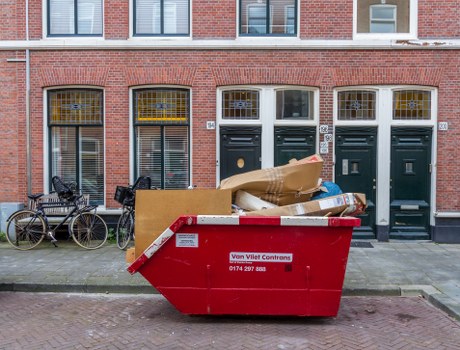
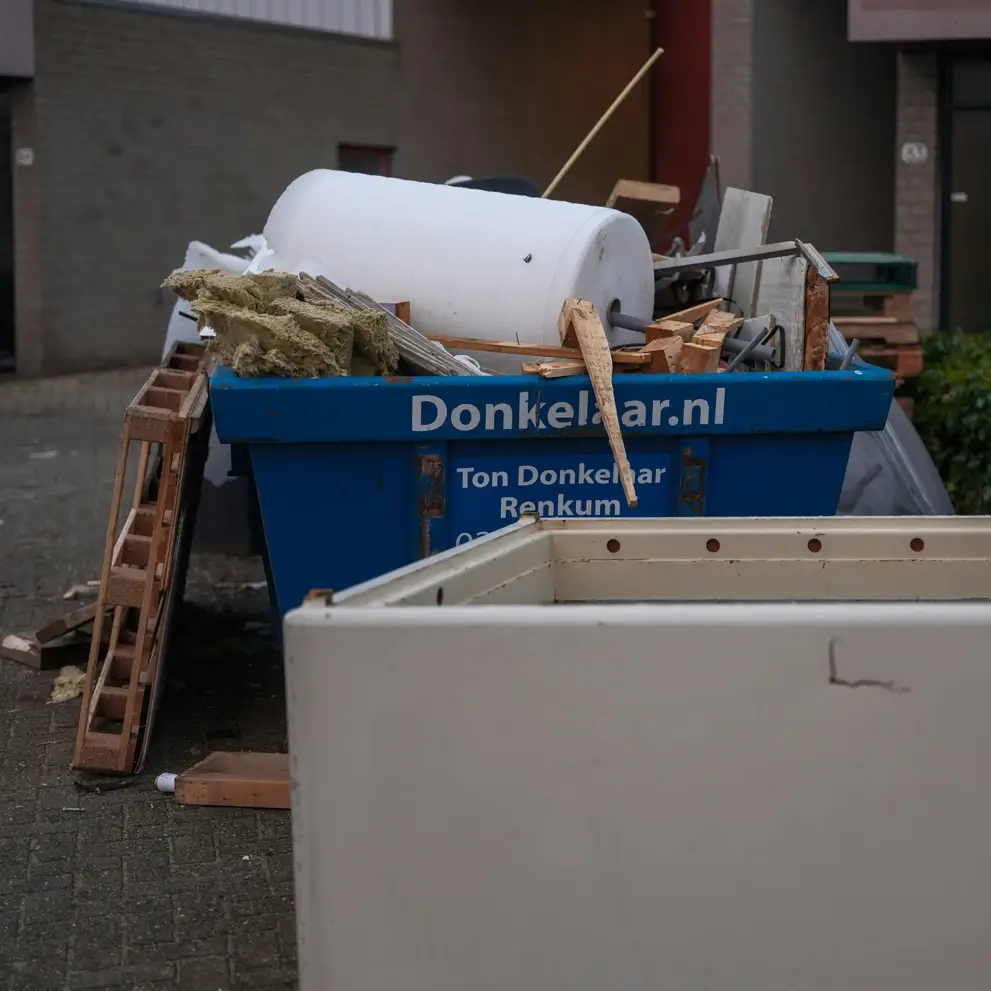
Skip hire in Leyton gives households, trades and site teams a straightforward way to manage bulky waste without overloading vans or making repeated trips to the tip. We offer a practical service for mixed non-hazardous waste, with skip options that suit home clear-outs, refurbishments, garden work and building projects. The aim is simple: provide the right container for the job, keep loading manageable and help customers choose a sensible service for the type of waste they need to remove.
When arranging a skip, the most useful starting point is the skip sizes and prices page, because the choice of container usually depends on volume, weight and the kind of materials being loaded. Smaller domestic projects often need less space than building work, while heavier or awkward waste may call for a different setup. We also support customers who want a clearer overview of what can be loaded, which is covered on what can go in a skip.
For a quotation, it helps to think about the waste type, access, timing and whether the skip will sit on private land or a public road. If you are not sure which service is best, we can guide you through the available options and point you towards the most suitable page before you book. Ask for a quote when you are ready and share a few simple details so the next step is easier to plan.
Domestic skip hire for home projects
Domestic skip hire is often chosen for jobs that create more waste than normal household bins can handle, such as room clear-outs, kitchen updates, bathroom rip-outs and general decluttering. The useful part of a skip is that it gives you one place to load waste steadily as work progresses. That can be easier than trying to keep piles separate in the garden, garage or driveway while the project is still underway.
Our domestic skip hire page suits people who want a simple, everyday waste solution without unnecessary extras. For smaller collections, a wait and load skip hire arrangement may be more suitable where space is tight or a skip cannot stay in place for long. If the job is urgent, same day skip hire is worth reviewing as an option when timing matters and the service is available for the route and load type.
Homeowners sometimes want a quick way to compare the practical differences between skip hire and other removal methods. A skip is generally best when waste will be created over a period of time rather than all at once. Choose the service that matches the pace of your job, because loading convenience can be just as important as capacity. If you want to keep costs sensible, it is sensible to estimate the load carefully before booking rather than guess at the largest size available.
Building and construction waste support
Builders and contractors often need waste removed from ongoing work rather than at the very end. For those jobs, our builders skip hire and builders waste removal pages are useful starting points. These services are suited to common site materials such as packaging, timber, rubble, plasterboard and mixed construction debris, provided the load remains within the accepted waste rules. A skip can help keep working areas clearer and reduce time spent shifting material by hand.
Where the waste stream is more focused on renovation debris, construction waste clearance and construction waste disposal explain the kind of service that supports tidier removal of building by-products. For larger or heavier arisings, grab hire services may also be relevant, especially where access is better suited to a mechanical collection method than to a stationary container. This can be useful on sites where waste builds up quickly and needs shifting without delay.
Access and loading method matter on building jobs, because not every site has the same space, turning room or working arrangement. A well-chosen service avoids unnecessary handling and keeps the waste process in step with the work itself. The right choice depends on what is being removed, how often waste is likely to appear and whether the load is mixed or fairly consistent.
Skip solutions for clearances and heavier one-off jobs
Some customers do not need a skip purely for an ongoing project. They may be dealing with a garage clear-out, a loft tidy, a house clearance or a larger site strip-out where waste appears in one concentrated phase. In those cases, the service choice should reflect both the amount of material and the type of task. Our garage and loft clearance and house clearance pages offer routes for domestic clearances, while site clearance may suit wider premises or land-based work.
For heavier or more awkward waste, a skip is not always the only route. muck away services can be useful where spoil, soil or loose material needs removing in bulk, and grab lorry hire may be considered where rapid collection of loose waste is the priority. Where contamination or specialist handling is involved, the correct route should always be matched to the waste category rather than selected simply for convenience.
Before booking any clearance-related service, it is sensible to separate reusable items, identify anything restricted and consider how the waste will be stacked. That makes it easier to choose between a skip, a clearance vehicle or a different collection method. Simple preparation helps the quotation process, and it also reduces the chance of choosing a service that is too small, too large or unsuitable for the load.
Domestic and garden waste streams

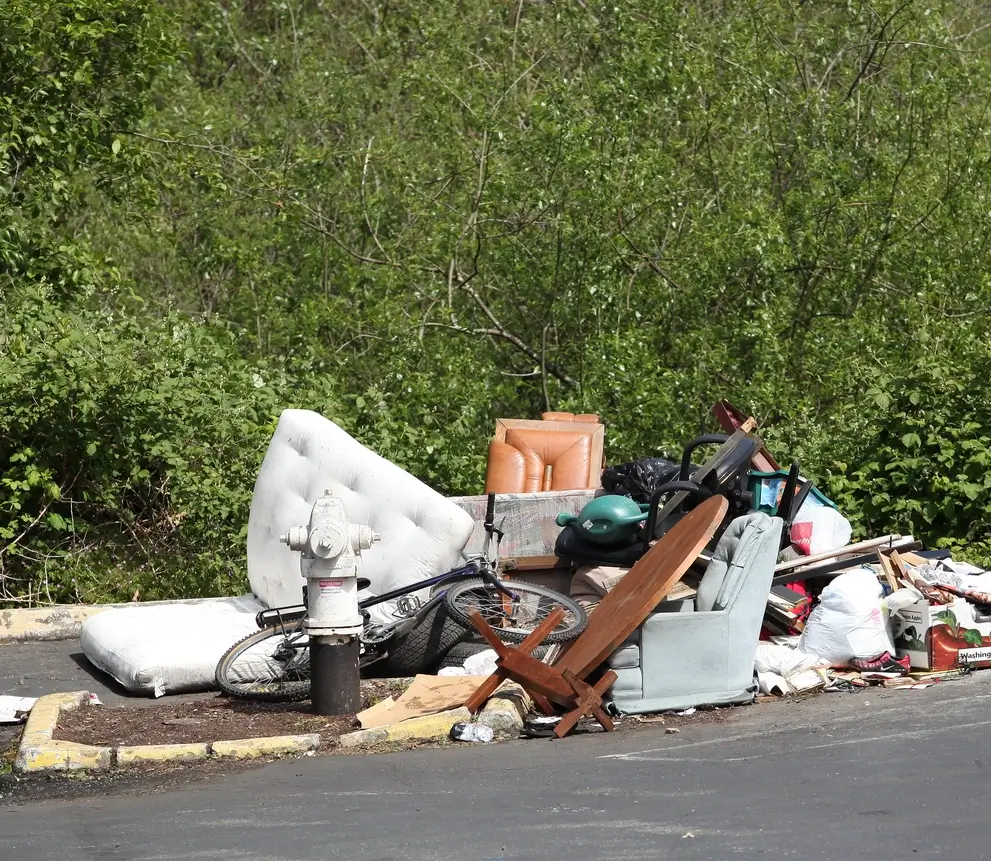
Domestic projects often produce several waste types at once. A spare-room sort-out may include old furniture, broken shelving, packaging and general clutter, while outdoor work can create branches, turf, soil bags and broken fencing. Our garden waste removal page is relevant for customers dealing mainly with green material, while mattress and sofa disposal is useful where bulky household items need a dedicated route rather than a mixed load. These services help keep recycling and disposal decisions more orderly.
If the job involves white goods or larger domestic appliances, fridge and appliance removal may be the more suitable option, especially where an item cannot simply be treated as general waste. For broad household tidy-ups, rubbish removal can be a practical alternative when the load is better suited to direct collection than a skip standing in place. The correct option depends on access, quantity and the nature of the items involved.
One useful way to plan domestic waste is to group the load before enquiry. Keep green waste separate from mixed rubbish where you can, and identify any large furniture or appliances that need specific treatment. A clear list of the main items often makes the service choice easier. It also helps avoid delays later, particularly when different material types are present in the same property or garden job.
Commercial waste, offices and trade support
 Businesses often need waste handling that fits around working hours, access restrictions and the pace of an active site or office. Our commercial skip hire page supports a wide range of business waste needs, while office clearance is more relevant where desks, seating, files and general office contents must be removed in an organised way. These services are useful when waste must be cleared without disrupting the wider operation more than necessary.
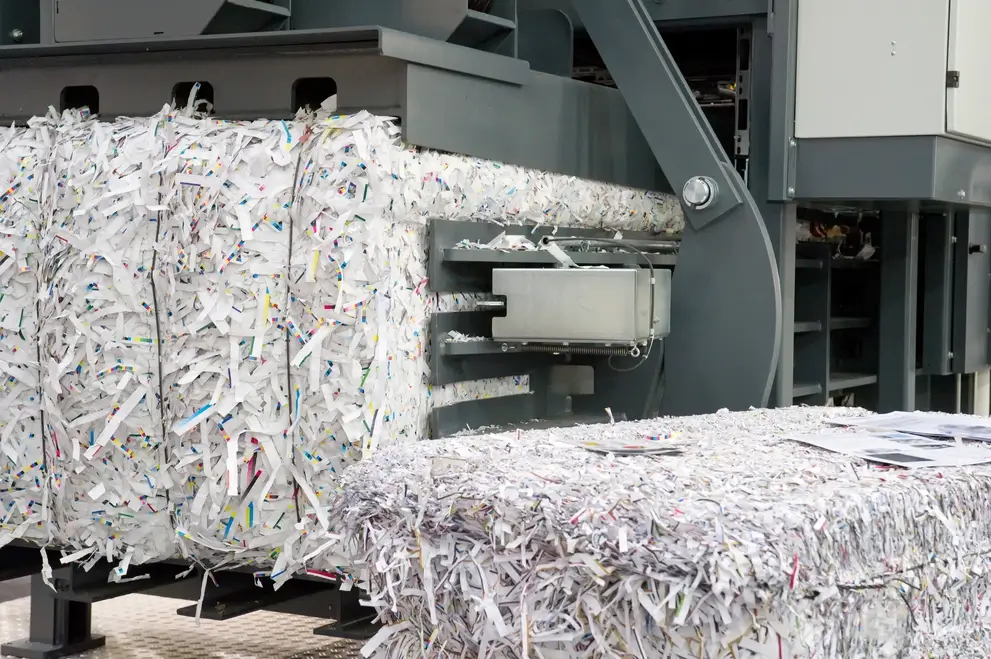
For organisations that also need recycling-focused handling, waste recycling services and recycling and sustainability help explain the broader disposal pathway. Where confidential paper or records are involved, confidential shredding may be a better fit than ordinary waste removal. Choosing the right service early can prevent unsuitable items being mixed into a general load and can make the collection process more orderly.
Commercial customers usually benefit from a straightforward specification: what needs removing, where it is located, how much space is available and whether the waste includes reusable, recyclable or restricted items. Good planning keeps the collection practical and makes it easier to align the service with site conditions. If you manage a property, a refurb or an office move, it is worth checking the options before the waste begins to build up.
About Leyton
Leyton is an area in east London within the London Borough of Waltham Forest, lying between Stratford, Walthamstow and the wider Lower Lea Valley corridor. Its history is closely tied to the growth of London’s eastern districts, with older settlement patterns gradually giving way to suburban development, railway influence and later industrial and commercial change. The High Road remains one of the best-known local spines, while side streets and residential estates show the layered character of different building periods. Much of Leyton’s built environment reflects late Victorian and early twentieth-century expansion, including terraces, local shopping parades and school buildings that give the area a distinct urban rhythm.
Skip permits, access and positioning

Not every skip can simply be placed wherever it is most convenient. Access, road width, overhead restrictions and parking arrangements all affect where a container can go and whether a permit is needed. Our skip permits and skip hire permits pages are useful when the skip may need to sit on a public road or in another location that requires formal permission. If the skip can stay on private ground, the arrangement is often simpler, but safe placement still matters.
Practical siting is about more than just legal permission. A container should be placed where loading is possible without creating avoidable obstruction, and where access for delivery and collection can be carried out properly. Where driveway width, surface protection or gate access are concerns, it may be worth looking at enclosed and lockable skip hire if added control over the waste is useful. If the site is tight and a temporary placement is all that is needed, a different service may suit better.
When asking for a quotation, give a simple account of the location, what the waste is and whether the skip or collection vehicle needs to work around vehicles, pedestrians or restricted entry. That kind of detail helps narrow down the right option quickly. If the job is time-sensitive, mention the preferred schedule clearly and keep the request focused on the actual load rather than on assumptions about size or duration.
Hazardous and restricted waste
Not all waste can be treated as ordinary skip material. Some items need separate handling because they are potentially harmful, regulated or unsuitable for mixed disposal. Our hazardous waste disposal page covers the kind of material that should not be placed into a standard skip without checking first. That can include substances or items that require specialist treatment rather than normal mixed loading.
Customers sometimes only discover restrictions when they start sorting the waste. It is better to identify those items before booking so the service can be matched correctly. If the load includes mixed waste with a few awkward pieces, it may be possible to separate them out and keep the rest in a suitable container. The main point is to avoid assuming every item belongs in the same collection route.
A useful rule is to think in terms of category rather than convenience. If an item is bulky but ordinary, it may fit a standard service; if it is chemically sensitive, electrical, or otherwise controlled, it may need another route. Correct classification is part of good waste planning, and it can prevent unnecessary rejections or delays later in the process.
How to choose the right skip service
Choosing the right skip service usually comes down to four practical questions: how much waste there is, what it contains, where it will sit and how quickly it needs to be removed. Our service pages are arranged to help with that decision. The general skip hire page suits broad use, while more specific pages focus on domestic, builders, commercial or clearance-led work. The better the match, the easier it is to arrange the collection or hire properly.
When comparing options, it helps to look at the job as a whole rather than just the first pile of waste. A short project can still generate heavy material, while a longer one may only produce lighter rubbish. The same container is not always right for both situations. That is why checking the service type first can save time later, especially where access, permit needs or unusual items affect the plan.
For many customers, the best next step is to gather the basics and request a quotation from the most relevant page. If you are unsure which service fits, take a moment to review the topic pages on this site and then make your enquiry with the details that matter. Ask for a quote today and choose the route that best suits your waste, access and schedule.